
696 view(s)
 In Australia, opal mining is a national industry. Experts report that Australian mines produce between 90% and 95% of the world's gem-quality opal. Opal mining takes place all over Australia, with primary sites like Coober Pedy and Lightning Ridge producing the majority.
Where Opal is Found
The most significant Australian mines include White Cliffs and Lightning Ridge in New South Wales, as well as Coober Pedy, Andamooka, and Mintabie in South Australia. (source) The mines in South Australia produce primarily crystal opal. Meanwhile, black opal appears mostly in the New South Wales mines, with Lightning Ridge producing the highest quality specimens. (source) Queensland offers some of the most remote, desert-like conditions at mines such as Bull Creek, Opalville, Quilpie, and more. (source) Queensland mostly produces boulder opal, although it also borders with New South Wales. As a result, miners find black opals in Queensland, as well. (source) 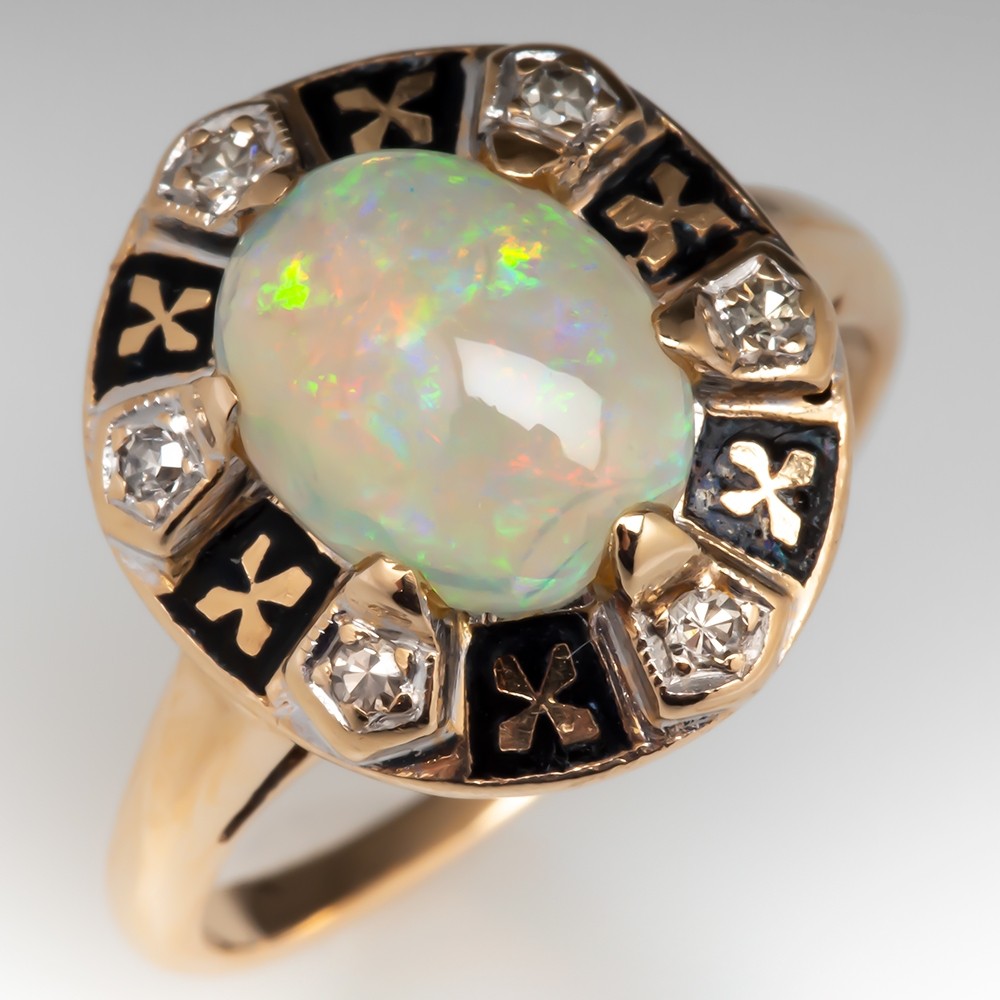
Opal Mining in Australia
In the early 1970s, miners began employing modern mining techniques to search for opals. Today, nearly all the mines use Calweld drills to dig deep shafts which extend to around 30m below the surface. (source) They then use tunneling machines and/or specialized front-end loaders called boggers to extend the shafts horizontally in search of opal seams. (source) They hoist the soil and debris created by the diggers up to the surface using power winches and automatic bucket tippers. (source) These mullock piles punctuate the landscape around the mines. Spotters follow the diggers, watching for seams of potch, common opal that signals the potential for high-quality opal. These seams dart in every direction, so following them proves an adventure in itself. (source) Meanwhile, at the surface, noodling machines sift through the mullock piles in search of quality opal specimens. Noodling machines are basically conveyor belts that pass the mullock under ultraviolet lights to highlight opals. (source) Locals often physically pore through the mullock piles in search of opals missed by prospectors. This is also a form of noodling. (source) 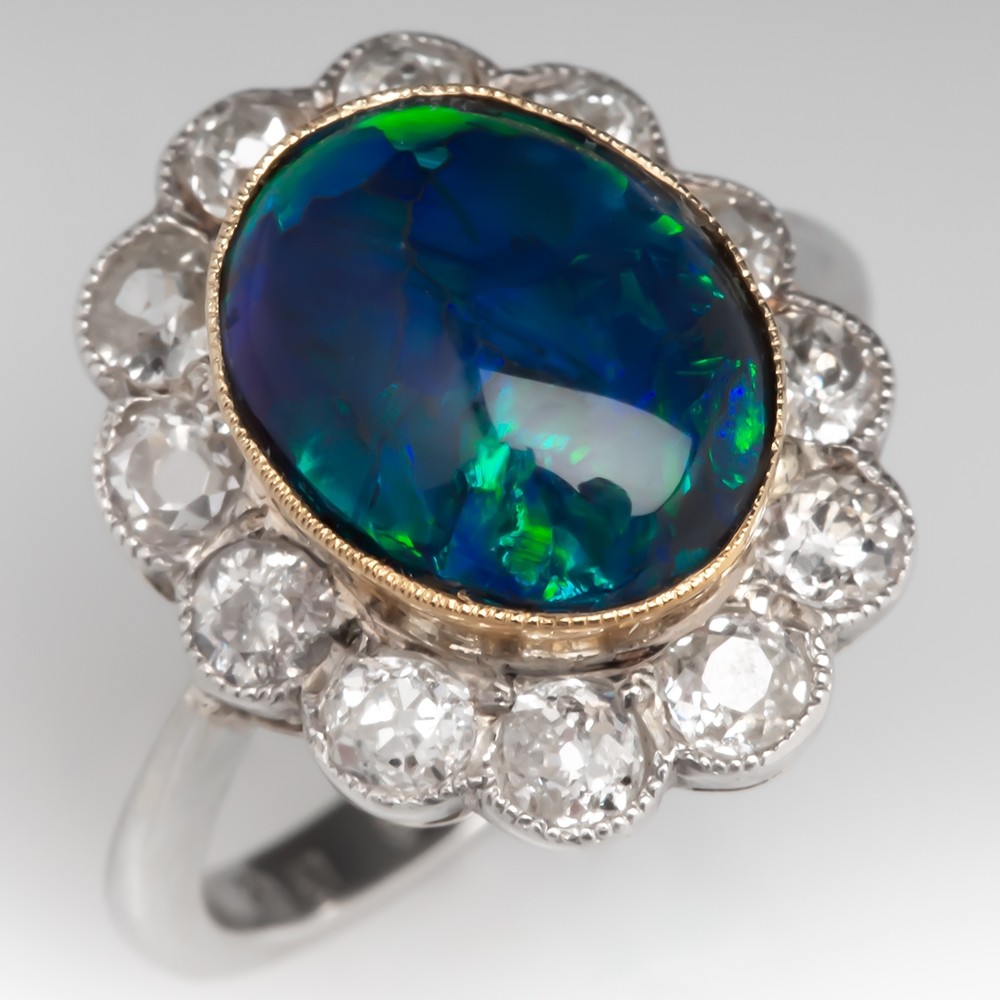
Processing Gem-Quality Opals
After miners retrieve the opals from the ground, processing begins using either dry puddling or wet puddling. With wet puddling, they put the opals in a small water-filled cement mixer called an Agi. They then pump a steady flow of water through the Agi as it spins. The combination of water pressure and spinning separates most of the sandstone and debris from the opal rough. The largest pieces of material are collected on trays for finishing and sorting. Workers snip off the remaining dirt by hand and further categorize the opals by size, color, and quality. (source) With dry puddling, mechanical action alone separates the opals from the dirt and sandstone material. In addition, dry puddling separates large specimens from small. Many use dry puddling as a precursor to wet puddling. (source) Once processing is complete, the opal rough is sold in bulk to distributors and dealers, who then pass it on to cutters or jewelry designers. ~Angela Magnotti Andrews
2020-11-13 21:12:00
678 view(s)